Existing vs As-Built Surveys – What’s the Difference?

128 City Rd, EC1V 2NX
+44 20 4615 4666
hello@linesurveying.uk
Laurel Hardwicke
February 20, 2026
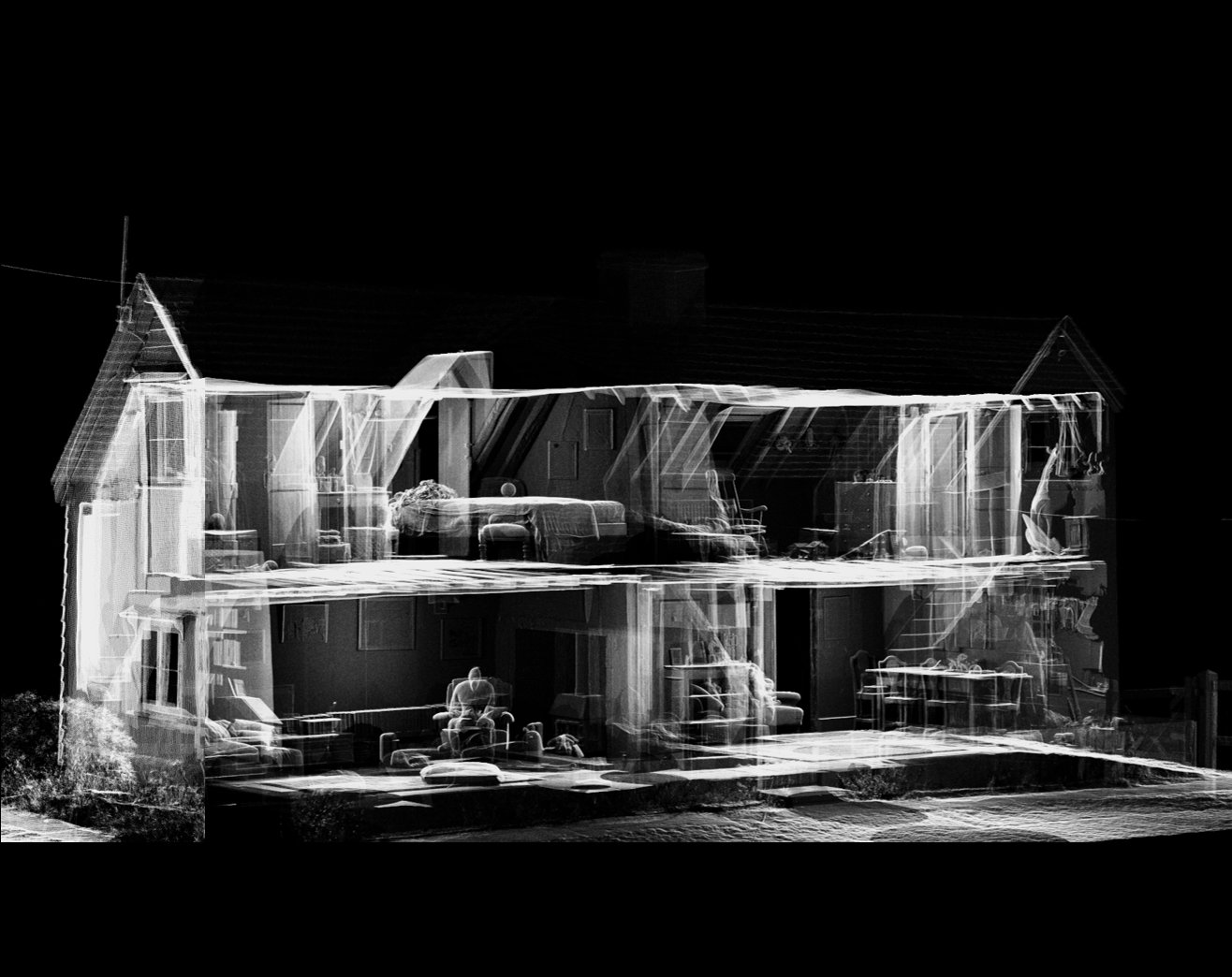
If you’re planning alterations, refurbishments or extensions, you may come across two similar terms: existing building surveys and as-built surveys. Although they are often mentioned together, they serve very different purposes.
Understanding the distinction ensures you commission the correct type of survey for your project. Choosing the right survey at the right time can prevent delays, reduce costs and improve design accuracy.
An existing building survey — often referred to as a measured building survey — records the current layout and dimensions of a property.
Surveyors capture accurate data from the building and produce scaled drawings that reflect its present condition.
These drawings typically include:
Floor plans
Elevations
Sections
Internal room layouts
Structural elements
Window and door positions
Architects rely on existing building surveys before designing extensions, refurbishments or internal alterations. In short, the survey provides a precise record of what currently exists.
Planning permission
Building regulation drawings
Residential refurbishment projects
Commercial fit-outs
Without accurate existing drawings, proposed designs may be incorrect from the outset.
An as-built survey is carried out after construction work has been completed.
Rather than recording what was originally designed, it documents what has actually been built. This is important because changes often occur during the construction process.
As-built surveys usually involve:
Verification of completed works
Production of record drawings
Developer handover documentation
Compliance and certification records
As a result, the final drawings accurately represent the completed building. These documents are often required for future reference, legal records or property management.
Although both surveys measure buildings, the difference lies in timing and purpose.
Conducted before alterations or design work
Records the current state of a building
Used to inform planning and design
Conducted after construction is completed
Records the finished building
Used for compliance, certification and documentation
Importantly, the difference is not based on the measurement technology used. Both surveys may utilise laser scanning, total stations or other advanced equipment. Instead, the distinction relates to when the survey is undertaken and why it is required.
In most cases, if you are planning alterations to an existing property, you will require an existing measured building survey.
However, if construction has recently been completed and accurate final drawings are needed, an as-built survey is the correct option.
For larger projects, both surveys may be necessary — first to inform the design process and later to document the completed works.
If you are unsure, it is always advisable to seek professional guidance before proceeding.
At Line Surveying, we provide accurate existing building surveys and as-built surveys for residential and commercial projects across the UK.
Using professional laser scanning and advanced data capture technology, we deliver clear, reliable drawings suitable for planning, design and compliance purposes.
If you are unsure which survey your project requires, contact us today for expert advice.
We use cookies to improve your experience on our site. By using our site, you consent to cookies.
Manage your cookie preferences below:
Essential cookies enable basic functions and are necessary for the proper function of the website.
These cookies are needed for adding comments on this website.
Statistics cookies collect information anonymously. This information helps us understand how visitors use our website.
Google Analytics is a powerful tool that tracks and analyzes website traffic for informed marketing decisions.
Service URL: policies.google.com (opens in a new window)
You can find more information in our Cookie Policy and .