Existing vs As-Built Surveys – What’s the Difference?

128 City Road, London
+44 20 4615 4666
hello@linesurveying.uk
Max Hardwicke
February 20, 2026
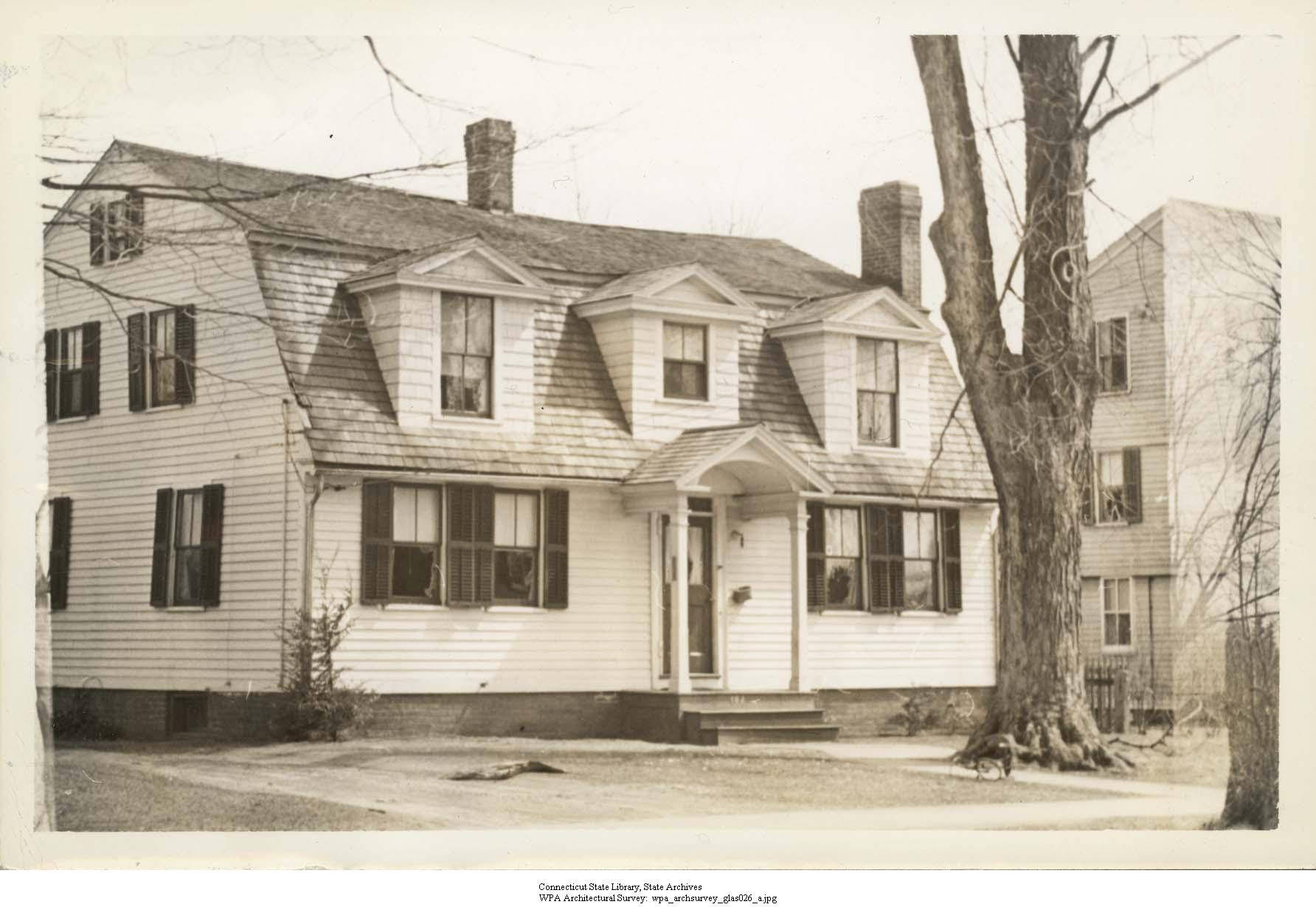
Heritage buildings require special attention, precision and understanding. Unlike modern structures, historic properties often contain irregular geometry, structural movement and delicate materials. As a result, survey accuracy becomes critical to the success of any heritage project.
Even small inaccuracies in measurement can lead to costly design changes, planning complications or unintended damage to historic fabric. Therefore, investing in accurate survey data protects both the building and the project team.
Line Surveying UK has extensive experience supporting heritage projects across London and the UK. We provide precise measured surveys and 3D data capture services tailored to conservation and refurbishment works.
Heritage buildings differ significantly from modern construction. Many were built using traditional methods, irregular layouts and materials that behave differently over time.
Over the years, structures settle, shift and adapt. Consequently, walls may lean, floors may slope and openings may vary in size. These irregularities make accurate measurement essential.
In addition, many heritage sites contain restricted access areas and fragile architectural details. Survey work must therefore remain precise while minimising intrusion. Because historic buildings cannot simply be altered to suit new designs, design teams must adapt their proposals to fit the existing structure.
In heritage projects, even a minor survey error can create major downstream issues.
For example, an incorrect wall position can cause structural interventions to misalign. Similarly, inaccurate floor levels may affect staircase design, drainage strategy or accessibility compliance.
Furthermore, planning authorities and conservation officers expect clear and reliable documentation. Inaccurate drawings often result in delays and additional scrutiny.
For these reasons, accurate measurement is not optional. It is essential.
Preserving original materials remains a priority in conservation work. However, without reliable survey data, contractors risk damaging the historic fabric during construction.
For instance, incorrect structural opening information may compromise load bearing walls. Likewise, inaccurate ceiling data could lead to clashes with original beams or decorative features.
By contrast, detailed measured surveys and 3D data significantly reduce uncertainty. As a result, contractors work with greater confidence and avoid unnecessary intervention.
Many heritage properties fall within conservation areas or hold listed status. Therefore, planning applications require a detailed understanding of the existing structure.
Accurate survey drawings provide a dependable baseline for proposed alterations. In addition, precise existing information allows architects to present changes clearly and transparently.
Because conservation officers review applications carefully, high quality survey data strengthens submissions and improves approval outcomes.
Heritage projects typically involve multiple consultants, including conservation specialists, structural engineers and building services designers.
Without accurate base drawings, coordination becomes difficult. Structural reinforcements may conflict with hidden historic elements. Similarly, new services installations can clash with existing structural features.
When survey accuracy is high, coordination improves significantly. Consequently, design conflicts reduce and project timelines become more predictable.
Unexpected discoveries are common in heritage projects. However, a thorough and accurate initial survey helps minimise major surprises.
Detailed point cloud data and measured drawings allow contractors to plan interventions carefully before work begins. Therefore, delays and cost overruns become less likely.
In addition, accurate dimensional data improves prefabrication precision, which further reduces on site adjustments.
Advances in survey technology have greatly improved accuracy levels. For example, 3D laser scanning captures millions of data points to record complex geometry precisely.
As a result, intricate façades, vaulted ceilings and irregular features can be documented in detail. Moreover, digital models allow teams to analyse building conditions remotely before construction starts.
Heritage projects require both technical precision and practical understanding. We combine advanced survey technology with experience working on sensitive historic properties.
Our services include measured building surveys, 3D laser scanning and CAD drawings tailored to conservation projects.
Because every heritage building presents unique challenges, we focus on delivering accurate and reliable data that supports informed decision making from planning through to completion.
Yes. Laser scanning is non intrusive and captures detailed geometry without physical contact. This makes it particularly suitable for fragile or protected structures.
When carried out professionally, measured surveys achieve high levels of positional accuracy. The level of detail can also be adjusted according to project requirements.
Accurate existing drawings and 3D data strengthen applications by clearly illustrating current conditions and proposed alterations.
If you are planning refurbishment or alteration works to a heritage property, accurate survey data will reduce risk and improve coordination.
Contact Line Surveying UK to discuss your project and request a tailored quotation.
We use cookies to improve your experience on our site. By using our site, you consent to cookies.
Manage your cookie preferences below:
Essential cookies enable basic functions and are necessary for the proper function of the website.
These cookies are needed for adding comments on this website.
Statistics cookies collect information anonymously. This information helps us understand how visitors use our website.
Google Analytics is a powerful tool that tracks and analyzes website traffic for informed marketing decisions.
Service URL: policies.google.com (opens in a new window)
You can find more information in our Cookie Policy and .